
The psychology behind why we gamble at casinos
The thrill of risk-taking
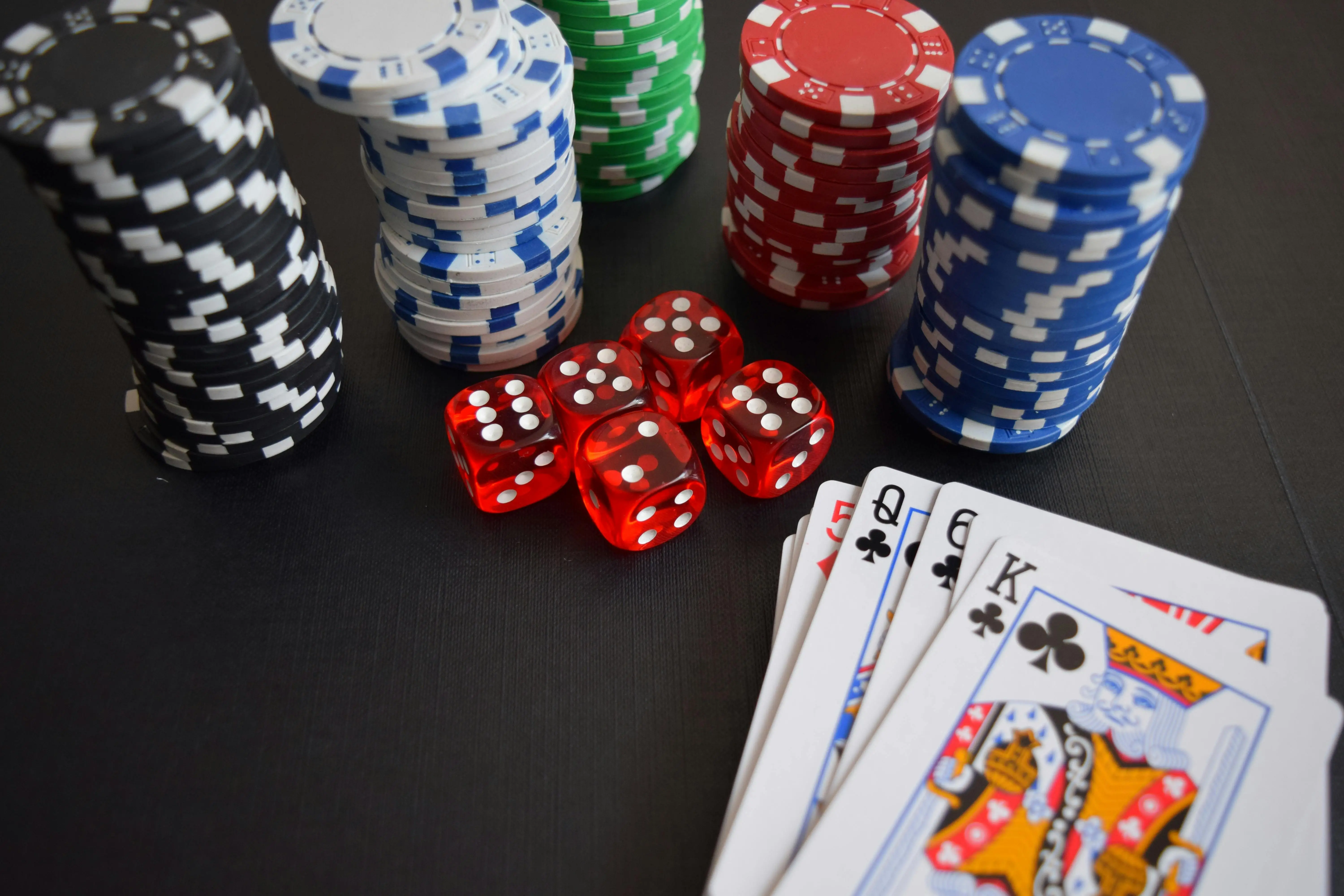
One of the primary psychological drivers behind gambling at casinos is the thrill associated with risk-taking. For many, the act of betting money on uncertain outcomes triggers an adrenaline rush similar to that experienced in high-stakes sports or extreme activities. This so-called «risk reward» phenomenon often feels exhilarating, leading individuals to repeatedly visit casinos in pursuit of that electric sensation. As players explore the online casino experience, their brains release dopamine, a chemical linked to pleasure and reward, which reinforces their gambling behavior.
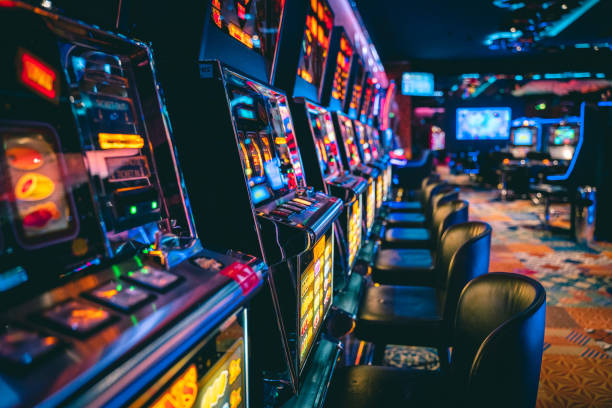
Moreover, the environment in casinos is meticulously designed to amplify these feelings of excitement and anticipation. The sounds of slot machines, the cheers from winning tables, and the vibrant lighting create an atmosphere that heightens the overall experience. This immersive environment can lead to a conditioned response, where individuals correlate the casino ambiance with excitement and fun, further encouraging them to engage in gambling activities. Over time, this conditioning can result in habitual behavior, as individuals begin to seek out these environments for the thrill they provide.
Additionally, the narrative of high-risk success often plays a significant role in attracting people to gamble. Stories of individuals hitting the jackpot or winning big can create an illusion of easy wealth. This allure of potentially transforming one’s financial status with a single bet can be incredibly appealing, especially in a society that places great value on wealth and success. The psychological influence of these narratives can drive individuals to gamble, often overshadowing the known risks and odds involved, leading them to believe they too can achieve that level of success.
The allure of escape
For many individuals, gambling serves as a temporary escape from their daily lives and responsibilities. The casino environment offers a sense of relief from the stressors of work, relationships, or personal challenges. By immersing themselves in the world of gambling, players often feel a disconnect from their daily obligations, allowing them to revel in a fantasy where their only concern is the outcome of their bets. This escape can be particularly compelling for those facing life difficulties, making casinos an attractive retreat.
Moreover, gambling can act as a distraction from emotional pain or negative feelings. Individuals may find solace in the thrill of betting and the hope it brings, creating a momentary release from anxiety or depression. This coping mechanism can lead to a cycle of gambling, where individuals continually return to the casino seeking that same relief, often unaware of the potential consequences. The psychological allure of gambling as a form of escapism can thus foster a pattern of behavior that becomes difficult to break.
The social aspect of gambling also plays a crucial role in its appeal as a form of escape. Engaging in activities with friends or meeting new people at a casino can alleviate feelings of loneliness and isolation. The camaraderie among fellow gamblers can create a sense of belonging, making the experience even more enjoyable. This social interaction provides a unique mix of competition and connection, encouraging regular visits to casinos as individuals seek both entertainment and companionship in their gambling pursuits.
The misconception of control
The illusion of control is another pivotal psychological factor that influences why people gamble at casinos. Many gamblers believe that they can influence the outcomes of games through skill or strategies, despite the fact that most casino games are based on chance. This sense of control can be particularly prevalent in games like poker or blackjack, where players feel that their decisions impact the results. This misconception may lead individuals to gamble more frequently, as they believe they have an edge over the house.
Additionally, the concept of «hot streaks» contributes to this illusion. Gamblers often convince themselves that after a series of wins, they are on the verge of another victory, leading them to place larger bets. This cognitive bias can obscure rational thinking, as they fail to recognize that each game or spin is an independent event. As a result, they may chase losses, compounding their gambling behavior as they seek to regain their perceived control over outcomes.
Furthermore, casinos are aware of this psychological tendency and design their games to exploit it. For example, slot machines often use features like «near misses,» where players come close to winning but ultimately fall short. This design can reinforce the belief that they were close to victory, encouraging them to continue playing in hopes of finally achieving success. The ongoing cycle of misperception and reinforced belief in control can lead to problematic gambling habits, where individuals find it challenging to walk away from the gaming tables.
The social validation of wins
Winning at casinos offers a unique form of social validation that can significantly impact an individual’s gambling behavior. When someone wins, there is often a celebratory atmosphere surrounding that success, both within the casino and among their social circles. This validation can boost self-esteem and enhance social status, leading individuals to pursue gambling for those moments of recognition. The cheers from fellow gamblers and the thrill of announcing wins can create a powerful positive feedback loop that encourages repeat visits to casinos.
This notion of social validation extends beyond just personal interactions; it is heavily reflected in social media and shared experiences. Gamblers often share their winnings online, creating an impression of frequent success that can influence others to engage in gambling. This portrayal of gambling as a pathway to excitement and social currency can blur the lines between responsible and irresponsible gambling, as individuals chase these moments of triumph to bask in the attention and admiration of their peers.
The pressure to maintain this social image can also lead to continued gambling, often beyond one’s means. Individuals may feel compelled to gamble more frequently to showcase their wins, creating a paradox where the pursuit of social validation compounds their gambling behavior. This cycle can be harmful, contributing to the development of gambling addiction for some, as the desire for external approval outweighs their awareness of the risks involved.
Understanding gambling behaviors
Given the complexities of gambling behavior, it’s crucial to understand the underlying psychological factors at play. Recognizing the motivations, such as the thrill of risk, the desire for escape, the illusion of control, and the pursuit of social validation, can help both individuals and professionals address potential gambling issues. This understanding can foster more informed discussions around responsible gambling practices and preventive measures that can reduce the risk of addiction.
For those who find themselves struggling with gambling, accessing resources and support is essential. Educational programs and counseling services can provide insight into the psychological aspects of gambling, helping individuals understand their behavior and develop healthier coping strategies. Furthermore, creating environments that promote responsible gambling within casinos can encourage a safer gaming experience for all, emphasizing awareness of limits and the importance of moderation.
Ultimately, understanding the psychology behind why we gamble at casinos not only sheds light on individual behaviors but also highlights the responsibility of the gambling industry to create environments that prioritize player well-being. As we navigate this intricate landscape of human behavior, fostering open conversations about gambling and its effects can promote a healthier relationship with this form of entertainment.


